In my multicultural exchange program to Berlin in 2017, I stayed in the capital of Germany, Berlin, for a month and this left me a lot of experiences and new and different ways of thinking. I learned a lot about its culture and its main traditions as a citizen, I got in touch with some germans because of an interview on GLS school. This month we got an intensive course of german every day, our only free days were weekends and we visited new German cities near Berlin.
This experience change my mind and get me more into the idea to study engineering, besides later I decide and hope to study a master of Industrial Engineering on Germany. This is a goal I truly want to reach.
Participation in Project F1 in National Schools in Mexico City 2017-2018
Invite to Casa Jalisco with Governor Aristóteles Sandoval “Challenge for Talent” 2018
Talent Land 2018 Scholarship
Team Mentor in F1 in Schools 2018
Representative Beach and Beach volleyball team 2016-2018
Collaborator of Student Group Manos Verdes 2018
Collaborator of Student Group Lawyer Up 2018
Collaborator of Student Group SOS 2018
Recognition for completing with merits the first aid course in SOS
President of logistics in Equis 2018 Congress
All this help me in teamwork, effective communication, critical thinking and responsibility.
First place in F1 in Schools at Prepa Tec Santa Anita and pass to national championships. This championship help me on many competitions such as, responsibility, self-management, critical thinking, teamwork and creativity and innovation
Recognition for best F1 Final Marketing strategy in Schools 2017-2018
Recognition for best fundraising strategy Final F1 in Schools 2017-2018
Recognition for the highest number of followers F1 state Final in Schools 2017-2018
Recognition for better identity of the F1 State Finals in Schools 2017-2018
Recognition for better design of entrepreneurship and engineering portfolio Final state F1 in Schools 2017-2018
Organizer and master of ceremonies and conference “Los Pérez” with Mr. Antonio Pérez (father of Checo Pérez) – 2017
Participation in CONADEIP, Monterrey 2017
1st place intercampus representative team of beach volleyball, campus Aguascalientes 2017
Collaborator of the SAP 2016-2017
When I began Prepa Tec one of my first achievements was being member of the head team. The same first semester, I won my first Intercampus and participate in my first CONADEIP in Chihuahua. This shows a great leadership and teamwork.
Representative team 2016-2018
1st place on Intercampus 2016
Participation on CONADEIP, Chihuahua 2016
Also in my first semester and the whole year I was part of the SAP which is the Student Society for all Prepa Tec, this shows too teamwork and responsibility
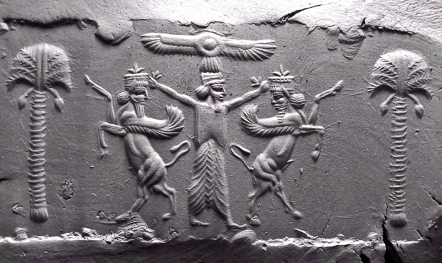
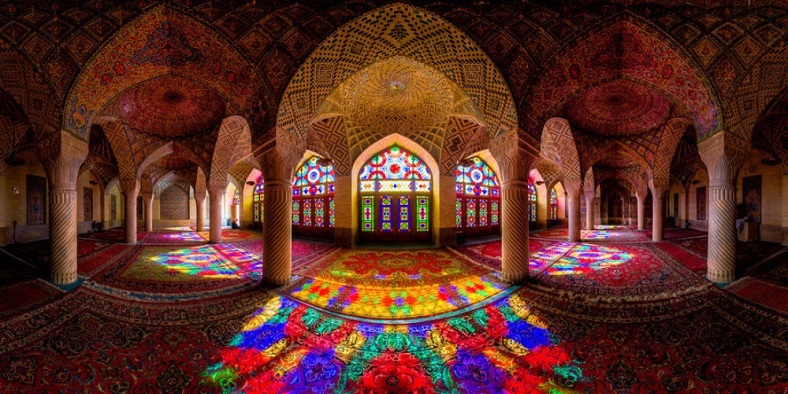
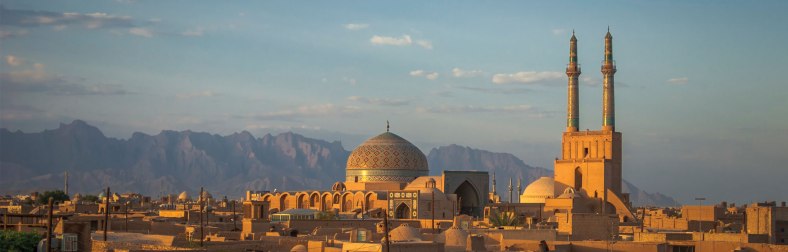
Persian culture has been one of the richest in the world. Persia has great treasures which had been moved to eastern and westerns nations. Two and a half millennia of inspiring literature, breath-taking architecture, brilliant poets and writers, and everything on a long-standing and proud civilization.
Government
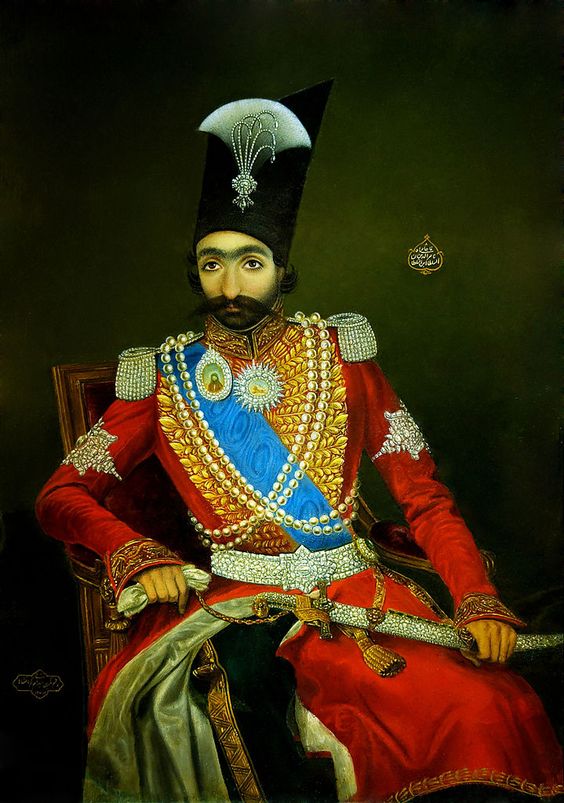
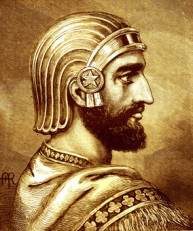
During the 19th century, the Persian Empire was a monarchy in which the King had the absolute power, then it followed the satraps, inspectors and secretaries, sellers and in the bottom the slaves. Persia had great kings like Cyrus the Great (who ruled at different times), Darius (he introduced a uniform model on coinage of gold and silver) and Xerxes. The empire was divided into 3 dynasties:
Achaemenids
Parthians
Sasanid
This empire was divided into 20 provinces, each one ruled by a governor. The provinces were ruled by Medes or Persians to keep being loyal. Persians believed in ruling other societies and naming them as their own, and the societies that they ruled had to follow each law and pay taxes. The government was centralist and was built on the Assyrian model with a better and more eddicient administrative system.
Economy
During the 19th century the economy of persia was based in agricultural activities, this means that most of the land own by them was in use for this kind of activities, however they don´t only focus on agriculture also they had small roads to trade with other empires, but this wasn´t so much so they didn´t have chances to compite with other empires.
At the half of the century the economy of Persia began to grow, because of the new trades with Russia and the Middle East empires (Ottoman empire, etc), the most of this trades was based on manufactured materials, this caused that Europe started to watch the trades between Russia and Persia, they started to be afraid of them because Russia was gaining power and Persia was becoming a worldwide potency, by the end of the century the trades of Persia quadrupled.
Society
According to “Ancient Persians Weebly” (n.d.), the social system that the Persians had was built off of communication and transport. They had a social structure similar to the indian, which was kings, priests, military, traders, craftsmen, farmers and slaves. The Persians had a tribal confederacy, which was that each tribe lived in a different part of Persia. Their social structure was a basic patriarchal system based on families forming tribes and the tribes formed the confederacy. The slaves were often captured from other conquered civilizations that refused to behave. The people living there, had a way of entertaining like playing games.
According to “The Persian People Weebly”(n.d.), most Persians were polytheistic. Their religion was based off of Egyptian gods, like god Mazda. It was believed that Mazda would judge you at the end of your life by taking into consideration if the person used its time to be good or bad. they also believed in Zoroastrianism, which is found in other religions like Muslims. Then, Zoroastrianism changed into Manichasim.
Internal conflicts
According to “About Education” (2016.). In 1870 to 1871 a serie of events caused horrifying famine to break out in Persia, getting as a result 1,500,000 to 2,000,000 Persians dead.
In 1869 a drought in north and east Persia left farmers without work and some foods were barely found this cause a great loss in most of the regions, some like cotton and opium .
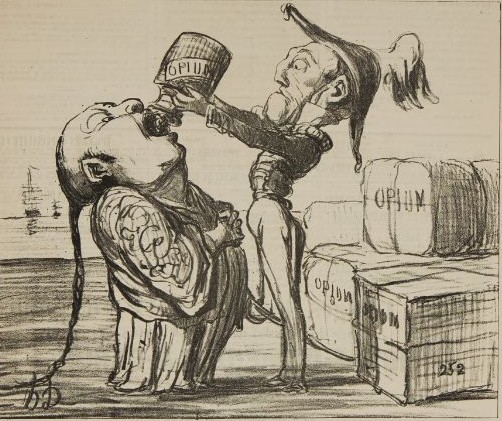
There was also a factor that affect Persia throughout all the 19 century that was the trade of Opium in which Persia had a great influence trading to external regions.
ITS GOOD TO KNOW
Approximately a normal Persian family can buy a bread for 6 weeks of an entire year and all women try to find out bread for its own family and people start attacking each other so the food transport was with a lot of caution now.
Internal conflicts renewed profits
As a consequence of all the external factors in Iran conflicts led to series of changes known as factors such as: Basically Persia was in bankrupt so these factors pretty much help in every aspect according to “The Iranian Press”(2000.).
· Psychological Factor
· Social Factor
· Educational Factor
· Communication Factor
As well, the psychological factor refers to the general feeling in the government, as a consequence of the country’s defeat in the war with Russia
This defeat ended in a loss that pushed the government to reconstruct the whole army by using modernised armaments and educating its people.
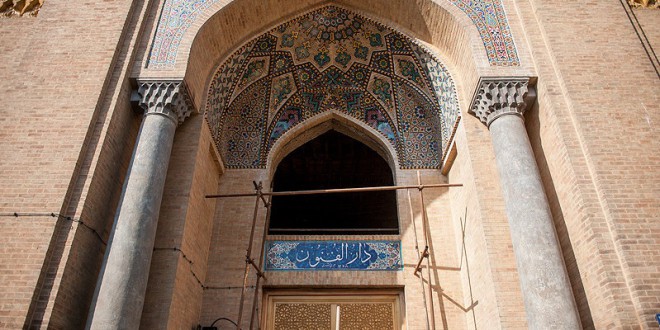
The educational factor is the role of the new and modern established educational institution of Dar al-Fonun which played a significant role as the first modem university in Iran.
The communication factor is the role of the press as a modem tool of communication and it was founded as a result of contact between Iran and the Western society which shows particular attention to the cultural factors in Iran.
At last, The Social Factor sums up that Iran was a mixture of social tribes and villagers, all with different cultural backgrounds, languages and dialects such as Persian, Turkish, Kurdish and Arabiche Persian language was spoken by less than half o f the population.
As a matter of fact the Persian language was spoken by less than half of the population.
External conflicts
From 1805 to 1834 Iran had small wars with Russia, during these wars Ali Shah was in charge and he lost almost all the Caucasian provinces and after losing their lands they were forced to pay reparations which left the Kingdom in ruins, then in 1813 the first Russo/Persian war ended with the Treaty of Gulistan and the second war finally ended with the treaty of Turkmanchay. When this war finished it was a big breath for Persia they at the end didnt have to pay other countries and had no problems at all.
In 1856 Britain prevented Iran from getting control over Herat, which had been part of Iran in Safavid times but it hadn´t been under Iranian rule since the mid-18th century, by 1881 Russia finished its invasion of present-day Turkmenistan and Uzbekistan, bringing Russia’s frontier to Iran’s northeastern borders andit brought historic Iranian ties to the cities of Bukhara and Samarqand. Several trade concessions by the Iranian government put economic affairs largely under British control.
Link for YouTube video:
Video for some extra info about Persia:
References
Hakimian, Hassan. (2011). Economy in the Qajar period. Retrieved from:
(You can hear the background information in the 1st YouTube link) Holland is a small country in northwestern Europe. The people living there are known as the Dutch. The Dutch East India Company established a small settlement in 1652 now known as Cape Town. The main purpose of the settlement was to provide a rest stop and supply station for trading vessels making the journey from Europe, around South Africa and finally to India.
The Dutch Empire is the name given to the various territories controlled by the Netherlands from the seventeenthNetherlands had territories in all over the world, in America, Asia, Australia, Africa and Europe.
Political system, level of democracy, economy and society of South Africa
In 1795 France controlled the Seven Provinces of the dutch company, this made Great Britain want a better control of the seas so this caused The Dutch East India Company to move its territories to The Batavian Republic in 1798, because they were defeated by the british when they send 9 warships to take control. In the first two decades of the 19th century the Zulu people grew in power and extended their territory, than with a small war they builded a large empire. Peace and prosperity gave the people want a political independence. In 1854, the Cape Colony elected its first parliament, on the basics of the multi-racial Cape Qualified Franchise. Cape residents qualified as voters based on a universal minimum level of property ownership. A while later the British introduced the first rudimentary blacks and they ended slavery in 1833. In 1872 after political battles the Cape Colony got a “Responsible Government” and during The British and Dutch control racial segregation was informal.
The discovery of diamonds in 1869 and of gold in 1886 revolutionized the economy. European investment began; by the end of the nineteenth century, it was equivalent to all European investment in the rest of Africa. The Europeans used violence to defend their economic interests, sometimes clashing with those who refused to hand over their freedom or their land. Eventually, as the best land became scarce, groups of habitants clashed with one another, and rival Dutch and British populations fought for control over the land. South Africa was into the international economy through its exports, primarily diamonds and gold, and through its own increasing demand for a variety of agricultural imports. The economic growth was increasing by the continual expansion of the mining industry. Eventhough South Africa was very wealthy in mineral, not everything was perfect; some colonies of South Africa were controlled by the British or the Dutch and there were a lot of wars.
During the 18th century South Africa was dominated by Dutch they were treated in very bad conditions girls were raped every day, kids were used as laborers in the trekkers houses, but it wasn’t until the 1838 when they become completly free, this created a war between the native africans and the dutch people, were in only one day 3000 people died.
Conflicts and influence on South Africa
Slaves from South Africa were present almost all the time that the Dutch had control over South Africa. The settlers and the natives had conflicts; then the Dutch took advantage of the weapons, with the objective to later take control of more land and gain control of the resources. During the 18th century there were no schools for the Dutch, the religion was disorganized and they made laws to deal with the native Africans. Back in the 18th century, England took control of the colony for the first time, and made it permanently in 1806.
According to “West Chester University” (2015), Southern Africa became the site of the earliest European settlement in modern African history in 1652, when employees of the Dutch East India Company established a supply base on the shore of Table Bay, the place of the modern city of Cape Town. Over the next 150 years, Dutch settlers occupied the land surrounding Table Bay and to the east along the coast, creating Cape Colony. As the Dutch organization expanded, they encountered both Stone, Age Khoisan and Iron, Age Bantu indigenous African peoples. According to “West Chester University” (2015), the earliest encounters were with Khoisan who were enslaved or forced to flee. Next generations of Europeans expanded further to the east, they encountered Bantu (mostly Xhosa) who became trading partners as well as armed opponents. The Dutch settlers, called Boers, created very large farms and found it necessary to import labor, so Cape Colony imported slaves at a time when much of the rest of Africa exported them.
Background information https://www.youtube.com/watch?v=uW0-XTqgq6Y
Video ¨Holland vs Netherlands¨ https://www.youtube.com/watch?v=eE_IUPInEuc
References
CGP Grey. (2012, December 21). Holland vs the Netherlands. Retrieved from:
Learning without thinking is useless, but thinking without learning is very dangerous!
-Sukarno
The Indonesian colonial period started in the 15th century to the 20th century, and many interactions occurred between the different societies.
According to “Chatwarawannathip” (2011), in order to dominate direct spice trades without having the Muslim merchants, who monopolized spice imports to Europe, as the middleman, the Portuguese, Spanish, British and particularly the Dutch embarked and headed towards the spice island came to the Spice Islands in the beginning of the 16th century.
Major factors of the imperialism caused by Europe in 🇮🇩
British invasion of Java
Napoleonic Wars
(Background)
The British invasion of Java happened in 1811 between Great Britain and Java. This was a British operation against Java which was the Dutch East Indian island. The event took place during the Napoleonic Wars. Java remained in Dutch hands meanwhile the French Revolution and the Napoleonic Wars were taking place.
In 1799 the Dutch government took over its territories. The British captured all the Dutch possessions in Indonesia 🇮🇩. The British abolished slavery and they also divided the country into areas called residencies for administration. In 1816 the British gave Indonesia back to the Dutch. Later, the Javanese War, in central Java, began.
MEANWHILE…
Led by Prince Disponegoro. Disponegoro went into exile and died in 1855. the Dutch extended their control over other parts of Indonesia. In 1825 they took Pelambang in Sumatra.
Later, the Dutch exploited the Indonesians, and in 1830 the Dutch introduced the Kultuurstelsel (cultural system). Indonesian farmers were forced to give away 20% of their land to grow crops for export. Indonesians were forced to grow coffee, indigo, tea, pepper, cinnamon and sugar. In 1870 the Dutch switched to a free market system. The Dutch governments monopolized on sugar, the some private plantations were created.
In 1945 the Republic of Indonesia was declared with a proclaimed jurisdiction all over Subang in Sumatra.
In the east indies, Netherlands kept possessions of a part of this region, so this stronghold of the Revolution created a provisional Capital.
In 1949 the Republic of Indonesia was established. The federal system didn’t last too much so in 1950 the federated governments anonymously decided to return to a union.
ECONOMY
During this time Indonesia’s economy was based on a system of rental mercantilism between the colonies and the big cities of Europe, this caused the raw material would be forced to sell to these large European cities at a very low price. This caused a major economical problem, but also a social one.
Here is a link to a video were you can learn about Colonial Indonesia
Besides waffles, french fries, Tomorrowland and castles, Belgium is well-known for its Imperialist power back in the 19th century. Want to learn a little bit deeply about this? Keep reading.
In 1830, Belgium won its independence from the Dutch as a result of an uprising of the Belgian people. In 1831, Belgium stablished a constitutional monarchy, with a monarch invited from the House of Saxe-Coburg Gotha in Germany, Prince Leopold. In 1865, Leopold I was succeeded by Leopold II who financed exploration and settlement in the Congo River Basin of Africa.
After the establishment of the constitutional monarchy, the Congress wanted a republican monarchy or a constitutional sovereign with republican institutions. They adopted the principle of ministerial responsibility. Under this rule, a Minister assumed responsibility for the King’s acts. The introduction of universal suffrage and the social, political and economic changes, have caused a rebalancing of power within the official institutions; and have increased the importance of the facto powers.
During the 19th century, Africa was overrun by a sudden wave of European imperialist expansion. All of this with the hope of acquiring economic resources, nationalist pride and imperial ambitions. The leading nations of Europe each wanted a piece of the “African cake”, also Belgium.
Life in the Congo was brutal because it was under control of King Leopold. Leopold II basically owned Congo and he ruled it as his private domain from 1884 until 1906. Belgian imperial rule is known for its terrible treat to Congo. First of all, Belgians were racist. Most of European felt superior for being “white” so when they saw people with darker skin color, they thought they were less important. Also, most of African colonies were created primarily for the economic exploitation of natural resources and labor. Belgium wanted the major exports from the Congo region, like ivory, rubber and precious minerals.
Another characteristic of the Belgian Imperial rule, was that the Belgians wanted to impose their politics, economy, culture, language and religion. Basically, they wanted to make a “mini Belgium” in Africa. As well, as feeling way more superior than their colonies, and making them feel that they had no say and opinion. A big nation had domain of a small one. An finally, the Imperialism of Belgium had a militar or police control to avoid rebellions from the citizens.
Why did Belgians wanted to maintain and expand their empires? Well, first of all Belgium wanted to achieve international acknowledgement, so they used violence against the people from the Congo. Then, with the money obtained from the Congo, it was spent in several programs of public building in many cities in Belgium. Belgium also divided the Congo in 2, so it extracted profits from the Congo. Later, the Belgian colony abused from the States, missionary and private company interests. Belgium didn’t see wrong to colonize poor regions and take away their money.
Many people might think that capitalism and imperialism are the same thing, but that is NOT true. Imperialism is based on the exploitation from one big country to one small country. Is the exercise of political power backed by militar and political forces, meanwhile capitalism is based on voluntary exchange that benefits all of the parties that are involved, according to Professor Stephen Davies. Imperialism and capitalism differ just by looking to the history of empires . As you may know, empires have existed for many years, and way before capitalism was created. Imperialism has led to impoverishment of people, and under capitalism, you would expect to see global free trade between several countries. Not only from big powers to small powers but also from small powers. Something that is not possible under imperialism.
There are some tendencies from capitalism to imperialism, one great example is when Great Britain moved to central Africa in the 1800’s because they needed Zambia’s copper and wanted to sell Ghana’s railways. They basically wanted a capitalist imperialism.
From Power Rangers, we really hope that you don’t stick to stereotypes of Belgium and that people actually know that Belgium is much more than music festivals and food. Check our blog posts.
Here we leave you some references where you can check deeply this subject and one video.
James Petras. (2016). Imperialism and Capitalism. Retrieved October 14, 2016. Available at: http://www.globalresearch.ca/imperialism-and-capitalism-rethinking-an-intimate-relationship/5496284
Andrew Peterson. (s.f.). History of the Belgian Congo. Retrieved October 14, 2016. Available at: http://study.com/academy/lesson/history-of-the-belgian-congo-imperialism-genocide-atrocities.html
Las tradiciones mexicanas desde su inicio pasan de generación en generación y son gran parte de nuestra cultura
Nos muestran y ayudan a recordar el pasado de una forma que nos hace sentirnos orgullosos de ser mexicanos y a transmitir el sentimiento con los que no
Dato Curioso
Chiles en Nogada
De acuerdo con la tradición, fueron las madres agustinas del Convento de Santa Mónica, en Puebla, las que, al enterarse de que el general Iturbide estaba por festejar su santo, y justo por esas fechas estaría de paso por esa ciudad, después de mucho pensar, decidieron halagarlo con la degustación de ese original platillo que, en sus colores de presentación, evocaba los matices de la bandera del Ejército Trigarante: el rojo (en la granada), el verde (en las ramitas de perejil) y el blanco, en la salsa de nogada (hecha con nueces de Castilla), que delicadamente se baña sobre los chiles poblanos que son la base de este tradicional platillo.
Fue un destacado muralista mexicano de ideología comunista, famoso por plasmar obras de alto contenido social en edificios públicos.
ALTAR
Elemento fundamental en el conjunto de tradiciones mexicanas del Día de muertos, el altar de muertos es una construcción simbólica resultado del sincretismo de las ideologías prehispánicas, la cosmovisión endémica de las culturas mesoamericanas y las creencias religiosas europeas de carácter abrahámico traídas por los conquistadores y misioneros españoles encomendados a la colonización y conversión de los pueblos nativos del actual territorio mexicano.
Diego Rivera
Creó diferentes murales por toda la República Mexicana 🇲🇽 dándole a cada mural un aspecto único con un mensaje diferente a las épocas y años y como fue cambiando su visión al pintar


 During the 19th century, the Persian Empire was a monarchy in which the King had the absolute power, then it followed the satraps, inspectors and secretaries, sellers and in the bottom the slaves. Persia had great kings like Cyrus the Great (who ruled at different times), Darius (he introduced a uniform model on coinage of gold and silver) and Xerxes. The empire was divided into 3 dynasties: